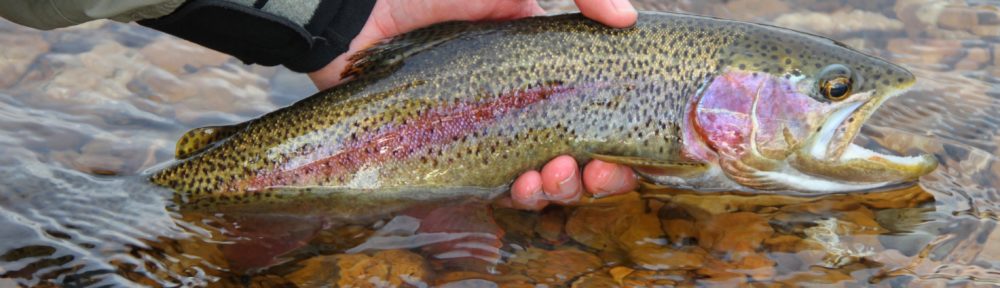
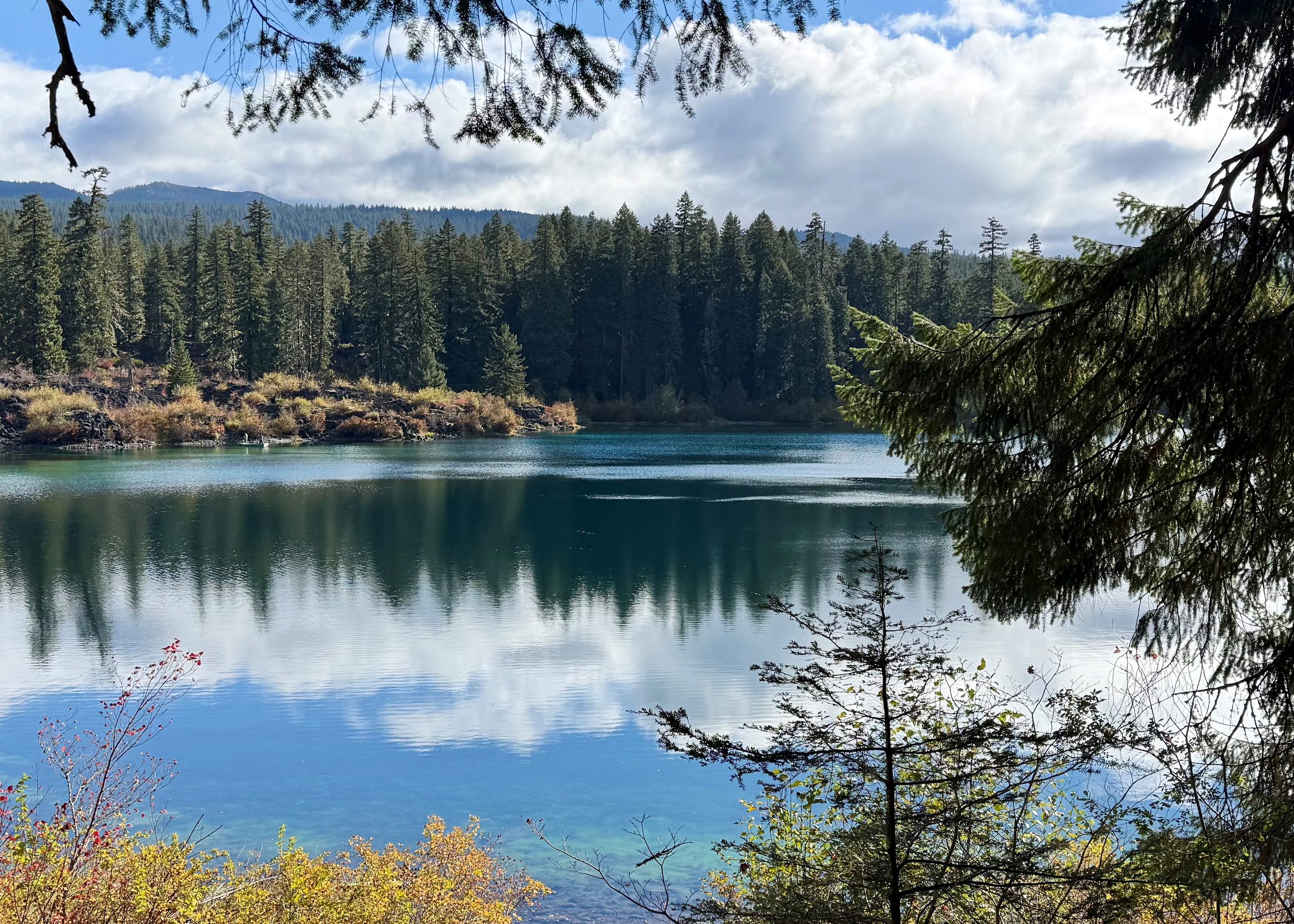
The beauty of the McKenzie River goes far beyond its striking clear water and the lush green forests lining its banks. While the river is undeniably scenic, its greatest beauty may be the natural system quietly working beneath the surface.
The McKenzie is sustained by what U.S. Forest Service hydrologist and fluvial geomorphologist Gordon Grant calls a “geologic gift:” a vast underground aquifer stored within the young volcanic rock of Oregon’s High Cascades.
Stretching from around Mount Jefferson to south of McKenzie Pass, this enormous aquifer holds more than 80 cubic kilometers of water. Scientists first began to understand its scale through deep geothermal test holes drilled throughout the Cascades decades ago. Instead of finding the hot temperatures they expected, researchers discovered something surprising: extremely cold temperatures deep underground, evidence of massive amounts of water. The phenomenon became known as the “rain curtain.”
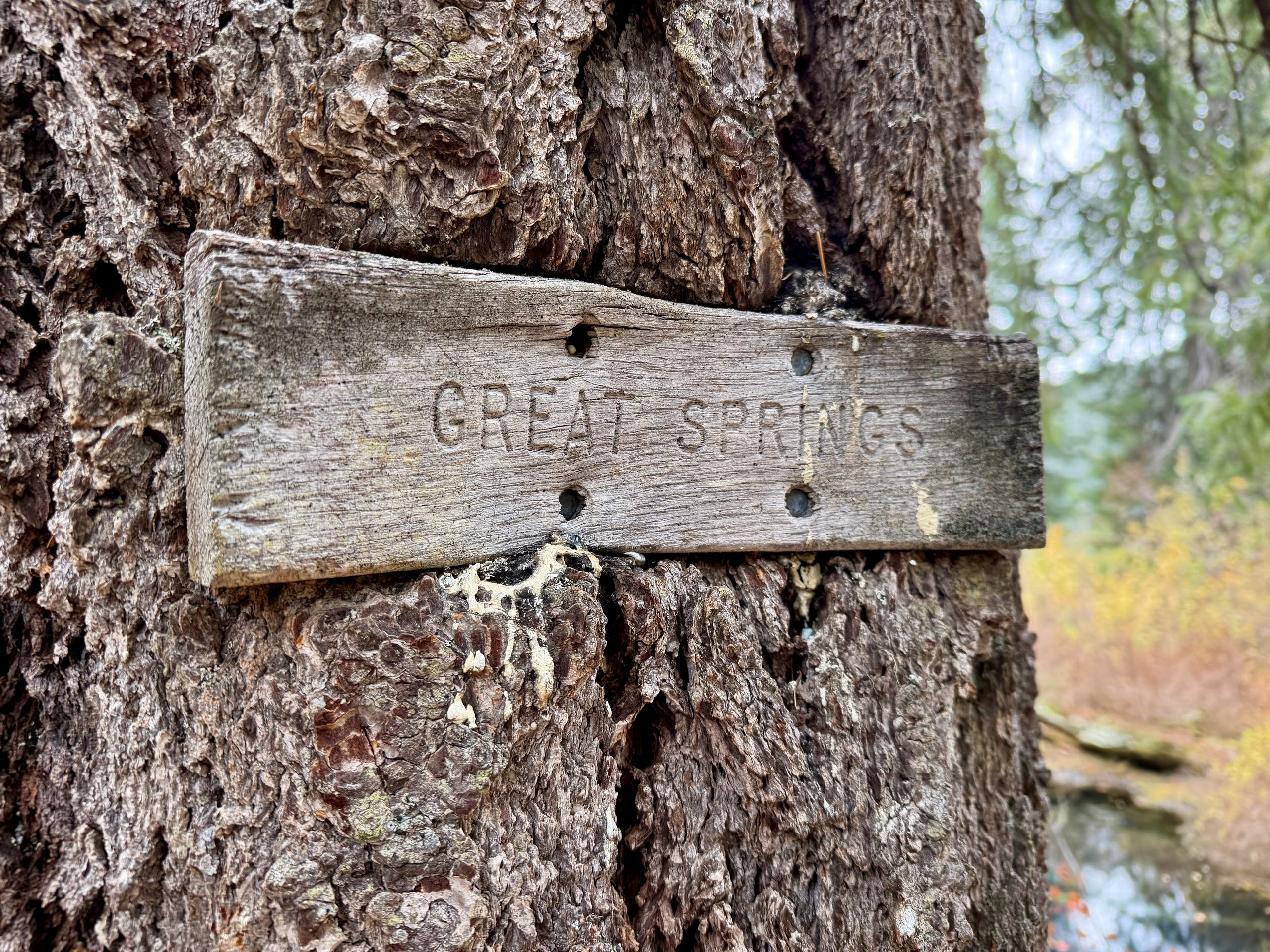
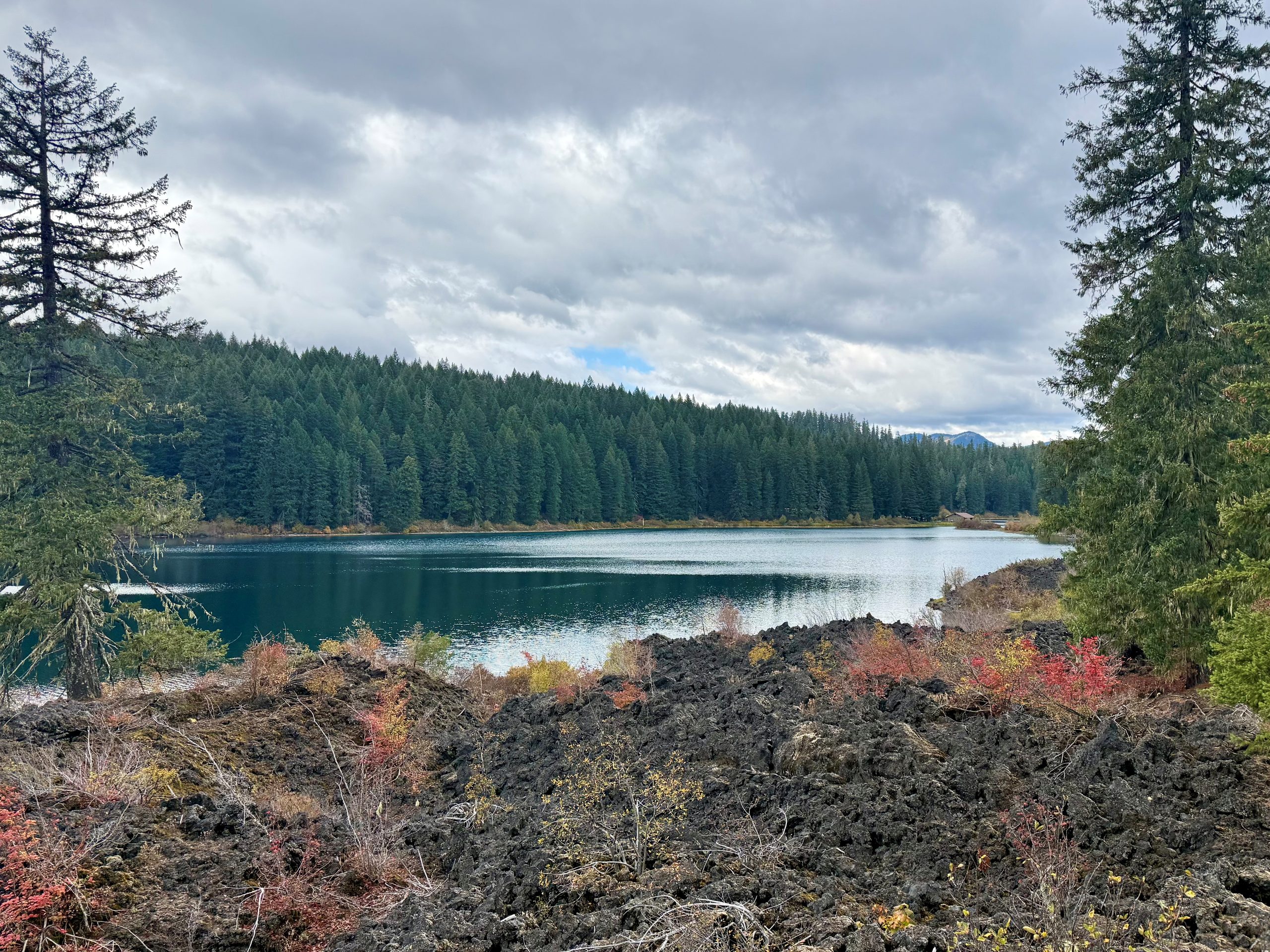
Rainfall and melting snowpack seep into the porous volcanic landscape, where water slowly moves through cracks and layers of rock. Rather than immediately rushing downstream, isotopic dating suggests the water spends around a decade underground before emerging again through the region’s famous Great Spring, which feeds Clear Lake.
These volcanic landscapes act like a giant natural sponge, steadily releasing cold, clean water throughout the year. It is one of the reasons the McKenzie continues flowing strong long after Oregon’s seasonal rains disappear.
While many western rivers face increasingly low water during prolonged drought and years of declining snowpack, the McKenzie benefits from this immense underground reservoir. Flows still fluctuate seasonally, but the river’s aquifer-fed system helps protect it from drying up entirely.
That steady flow supports far more than recreation. The McKenzie provides drinking water for more than 200,000 people and helps sustain agriculture throughout the Willamette Valley. For guides, anglers, boaters, and local communities alike, the river is more than beautiful scenery. It is a living resource shaped by geology, time, and water moving patiently beneath the mountains.
References:
Hamers, L. (2025, January 24). Atop the Oregon Cascades, a UO team finds a huge buried aquifer. Oregon News. https://news.uoregon.edu/atop-oregon-cascades-uo-team-finds-huge-buried-aquifer
Manning, R. (2025, January 13). Researchers find vast water supply beneath Central Oregon cascades. opb. https://www.opb.org/article/2025/01/13/researchers-find-vast-water-supply-beneath-central-oregon-cascades/
Mortensen, C. (2010, December 23). Cry Me a River. Eugene Weekly. https://eugeneweekly.com/2010/12/23/eugene-weekly-feature-12-23-10/
MRDC Admin. (2025, February 13). Recent study shows aquifer beneath Oregon cascades is far larger than researchers expected. Mckenzie River Discovery Center. https://www.mckenziediscoverycenter.org/2025/02/oregon-cascades-aquifer-much-larger-than-expected/
Urness, Z. (2025, February 1). “Geologic gift”: One of world’s largest aquifers is buried below Oregon’s Cascade Range. Statesman Journal. https://www.statesmanjournal.com/story/news/2025/02/01/oregon-cascade-range-large-aquifer/78064052007/?gnt-cfr=1&gca-cat=p&gca-uir=false&gca-epti=z113875e113875v000043&gca-ft=117&gca-ds=sophi