River Hazard Update

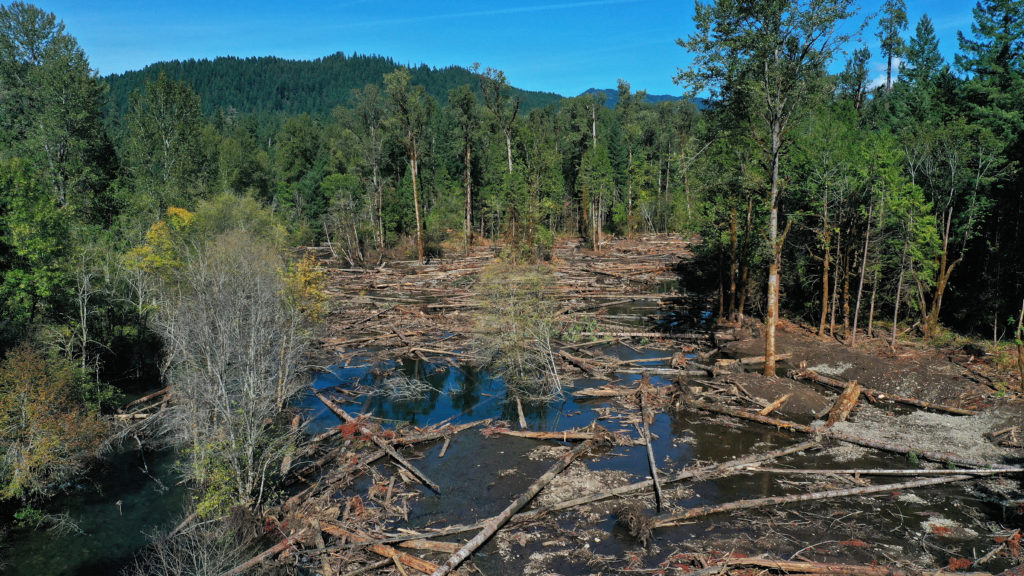
The tree at Belknap Rock (approximately one mile below Leaburg Dam) has been removed, as well as the tree in the logjam on the lower left side of Powerline Flat below Bellinger. As of yesterday (2/12/2026), the stretch from Leaburg Dam to the confluence is currently unobstructed—at least for the time being.

Please continue to stay alert on the water, and let me know if you see any major changes.

A Quiet Treasure on the McKenzie: The Angler’s Roost at Leaburg Library

Tucked beside McKenzie Fire and Rescue in the small community of Leaburg sits a building with a long history. Built in 1923 as the local schoolhouse, the Leaburg Library has spent more than a century serving as a place of learning, gathering, and shared stories. Today, that tradition continues—most notably in one remarkable room that drew me there: the Angler’s Roost.

The library itself is made up of four main rooms, each with its own sense of purpose and history. But the Angler’s Roost feels different the moment you step inside. It is quiet, intentional, and reverent—less like a library room and more like a sanctuary for anglers.

The Roost exists thanks to the generosity and lifelong passion of Tom Ripp, a long-time McKenzie River Guides Association associate member. Over decades, Tom assembled a nearly 500-volume, world-class collection of fly-fishing literature—rare, collectible, and deeply significant to the sport. In 2022, he donated the entire collection to the Leaburg Library, where it officially opened to the public on Saturday, December 10th.

Additional volumes have been contributed by the McKenzie Flyfishers Club, and the collection is thoughtfully managed by Marty Mealey. Together, these efforts have shaped what is expected to become one of the finest fly-fishing book collections in the country.

Inside the Angler’s Roost, the details matter. A leather chair and ottoman invite visitors to sit and stay awhile. A reading lamp offers warm, focused light; a heater keeps the room comfortable through colder months. Two miniature model drift boats rest quietly, while a beautiful outdoor quilt hangs on the wall. A Lynda Edwards mural adds depth and artistry to the space, grounding the room in both place and time.

There’s also a notebook—simple but meaningful—where visitors can leave notes and summaries, sharing what they’ve learned or what moved them. It’s a subtle reminder that this collection isn’t just about preservation, but participation.

The books themselves span nearly every angling subject imaginable. From fishing basics and pocket guides to detailed identification manuals and entomology texts. From gear fishing to fly fishing, spey, float tubes, and saltwater. There are journals, fly pattern collections, fly tying manuals, rare and collectible editions, and oversized coffee table books celebrating drift boats and watersheds. Whether you’re just starting out or decades deep into the craft, there is something here that will stop you in your tracks.

Because of the rarity of the collection, access is intentionally careful. To enter the Roost, visitors sign in and have the room unlocked by library staff. Selected volumes may be checked out for a two-week period, following the same sign-in process—an honor system built on respect and accountability, just as Tom intended.

Visiting the Angler’s Roost felt less like stepping into a room and more like encountering a living archive, rooted in generosity, stewardship, and a shared passion for angling. In a former schoolhouse turned community library, this quiet corner continues the tradition of learning, now through the lens of rivers, flies, fish, and the stories we tell about them.

If you find yourself along the McKenzie, the Angler’s Roost is well worth the stop. Sit down. Open a book. Add a note. Let the room do what it was built to do.

Left Channel Below Bellinger Blocked Again

We’re sharing a quick river conditions update for those navigating the McKenzie.

The left channel exiting Powerline Flat below Bellinger Landing is once again blocked. This area has a history of changing conditions, and recent movement has made the left channel impassable. Boaters should plan accordingly and use caution when approaching this section of the river.

As we noted in our previous update last year, this stretch can become technical quickly as wood shifts and channels change. While conditions elsewhere on the river remain clear at this time, this specific location requires added awareness and thoughtful route selection.

Please stay alert, scout when possible, and adjust your plans as needed. We’ll continue to share updates as conditions change. Safe boating!