South Fork McKenzie Restoration

Earlier this season, I attended the Outfitter and Guide Meeting hosted by the Willamette National Forest Service to stay up to date on special use permits and ongoing projects on the McKenzie River.

One of the most impactful presentations came from district fish biologist Carla, who shared updates on the South Fork McKenzie River Floodplain Enhancement Project—a multi-phase effort led by the McKenzie Watershed Council and aimed at restoring critical habitat and improving river health.
default

A Look Back: Phases I & II

Restoration work on the South Fork has already made significant progress.

  • Phase I (2018): Successfully reconnected over 150 acres of floodplain.
  • Phase II (2019): Expanded restoration upstream, reconnecting an additional 20+ acres across a 0.6-mile stretch of river.

These efforts have helped reestablish more natural river flow patterns and improve habitat complexity.

What’s Coming: Phase III (2026)

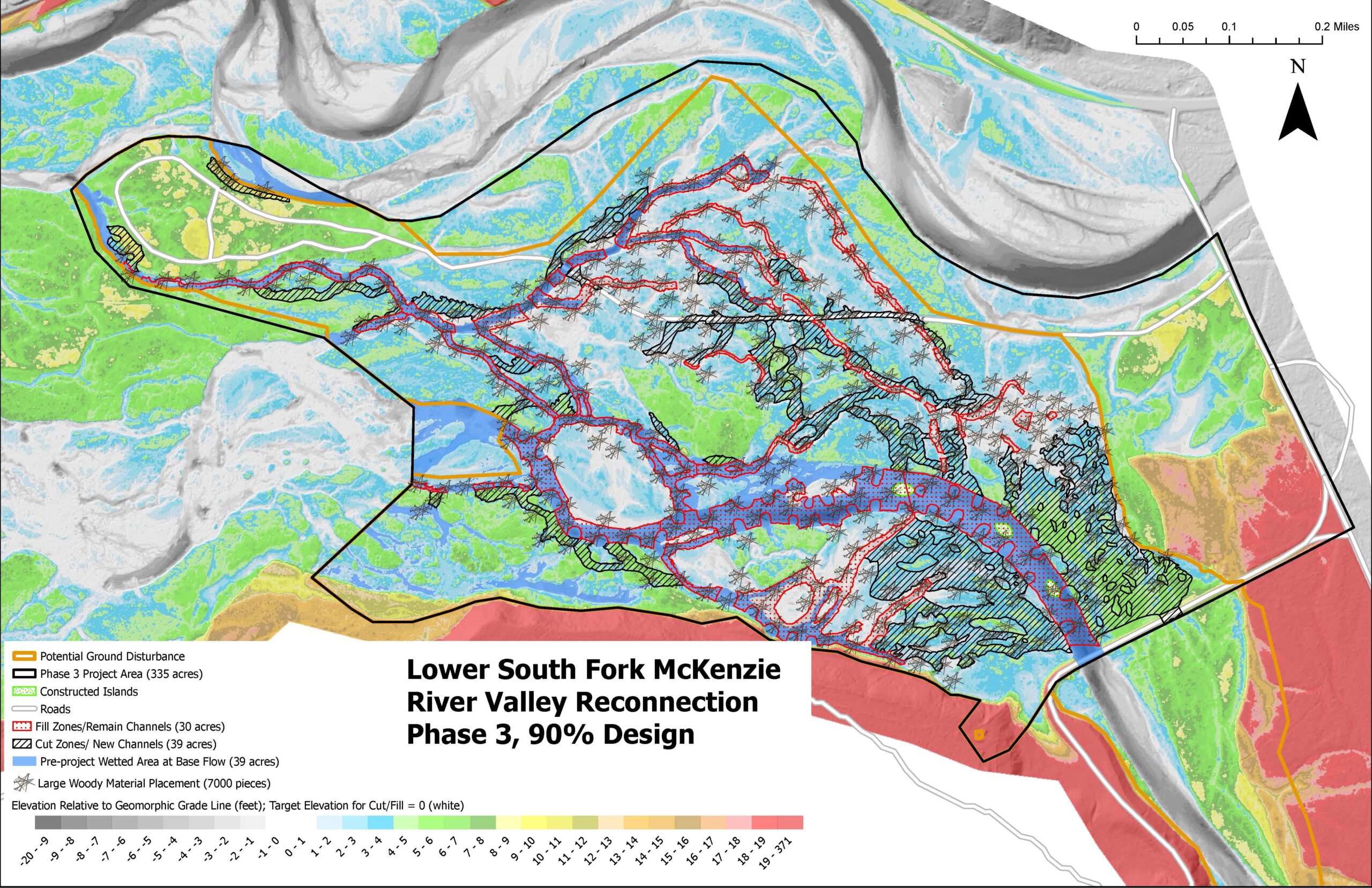
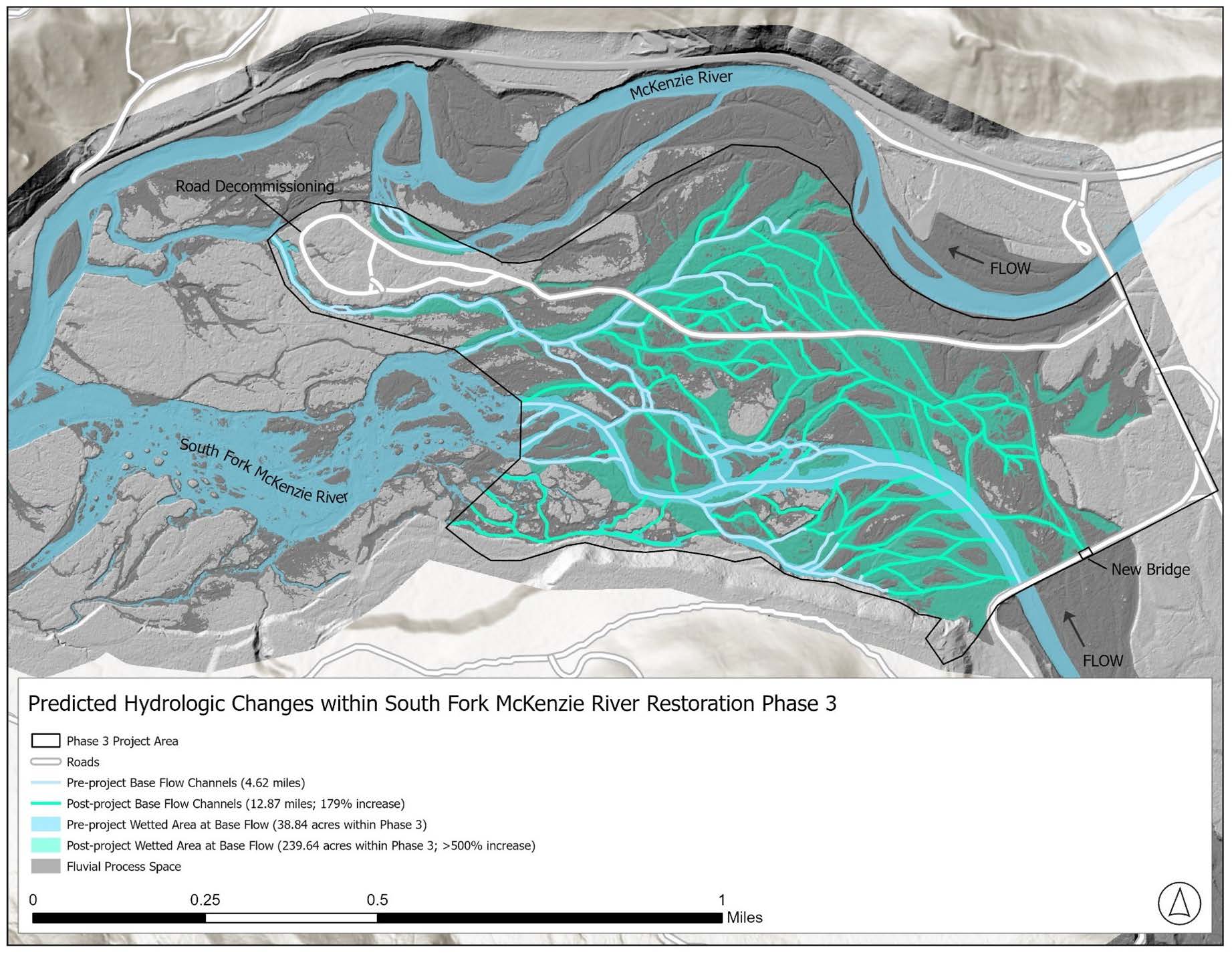
Phase III is scheduled to take place from May through September 2026, and it represents a major step forward—covering approximately 1,900 acres of restoration.

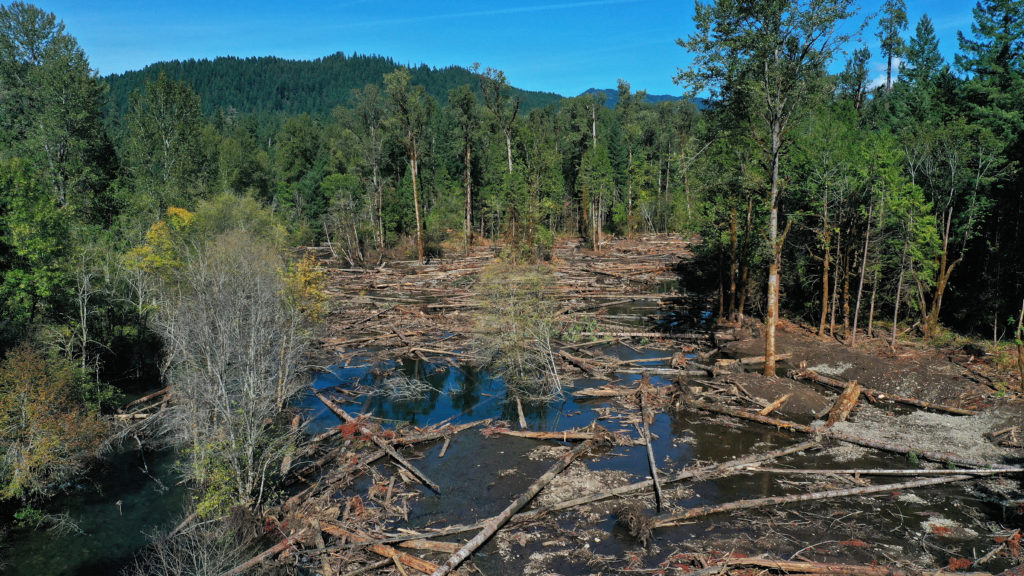
Currently, sections of the South Fork are constrained to a single, incised channel—about 13 feet deep—with large cobble substrate and steep berms. This limits the river’s connection to its surrounding floodplain and reduces habitat quality.

The upcoming work aims to reverse that.
Project Goals

The primary objectives of Phase III include:

  • Reconnecting the river to its floodplain
  • Improving water quality and substrate conditions
  • Increasing resilience to wildfire impacts
  • Restoring wetlands
  • Enhancing habitat for endangered species, including bull trout and Chinook salmon

How the Work Will Be Done

This is a hands-on, large-scale restoration effort that includes:

  • Regrading sections of the river and creating diversion channels
  • Filling incised channels to raise the riverbed and reconnect flows
  • Carefully collecting and relocating all organisms
  • Removing invasive species
  • Placing and anchoring large woody debris and slash to create habitat structure
  • Rehabilitating disturbed areas after construction
Why It Matters

For those of us who work and recreate on the McKenzie, this project is about more than restoration—it’s about long-term river health.

A connected floodplain supports better fish populations, improves water quality, and creates a more dynamic, resilient river system. These changes will benefit not only endangered species, but also the broader ecosystem—and everyone who depends on it.
Quartz Creek Ecosystem Resilience Project

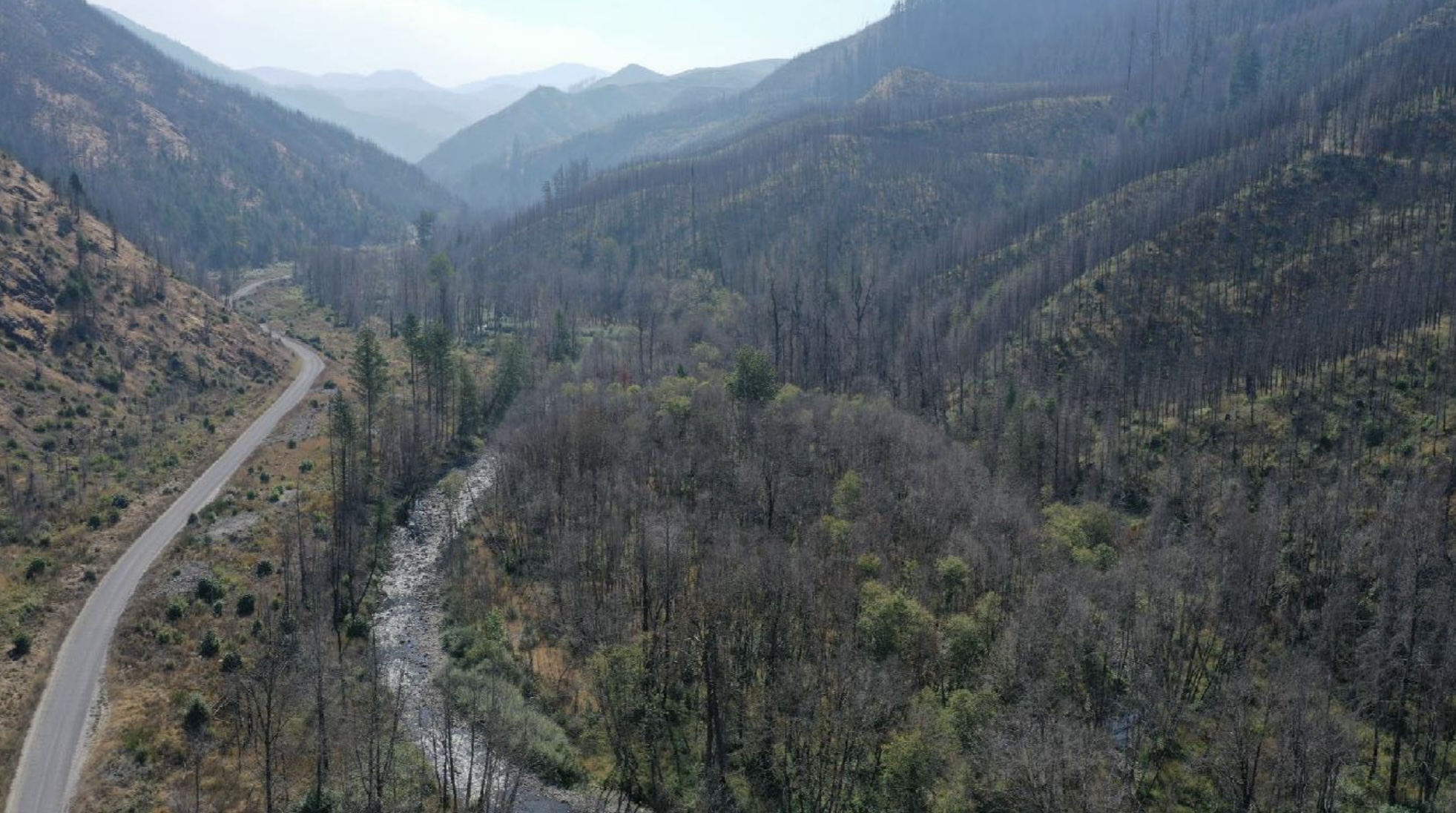
Looking upstream at mid-project, source mckenziewc.org

On April 3rd, 2025, I attended the Quartz Creek Ecosystem Resilience Project information session, which is set to occur from May through September 2025. This initiative is a collaborative effort involving the McKenzie Watershed Alliance (MWA), McKenzie River Trust (MRT), USDA Forest Service (USFS), and Eugene Water & Electric Board (EWEB). The project aims to restore 170 acres, or 1.8 miles, along the lower section of Quartz Creek, with the goal of returning the creek to its natural floodplain to provide habitat for microbes, insects, fish, birds, amphibians, reptiles, and megafauna. A key objective is to protect the historic habitats of species listed under the Endangered Species Act of 1973, including the our spring chinook run, bull trout, and lamprey.

Currently, Quartz Creek is a degraded stream, with areas “incised” or cut down as deep as 13 feet. This degradation has resulted in the loss of the creek’s smaller ecological systems, leading to “flashy hydrology” that makes Quartz Creek a significant contributor of sediment to the McKenzie River, our drinking water source. Additionally, the large cobbles and boulders present are not suitable for chinook salmon to create their redds for egg-laying.

Through a thoughtfully designed, research-backed plan, the project will cut alongside the existing creek bed to create new pathways for water flow while filling in the incisions to promote restoration. Large woody debris and slash will be carefully placed and partially buried or pinned to encourage habitat development and shade. Quartz Creek Road will also be raised above the 100-year floodplain in some areas by up to a foot. Moreover, the team will mechanically remove non-native invasive vegetation and rehabilitate the site upon completion. The valley restoration will raise the deep underground aquifer and alluvial aquifers (the water table), fostering a healthier ecosystem.

The community gathering addressed several concerns related to the project. First, attendees inquired about potential road closures during the project’s duration. The answer is no; aside from occasional brief stops on Quartz Creek Road or Pond Road to stage heavy equipment, access to the roads will remain unaffected.

Second, questions arose about the number of heavy equipment pieces on the 1.8-mile stretch and the measures in place to protect the environment during their operation. Project manager Jared Weybright clarified the specifics; however, I did not note the specific numbers as the equipment count shared did not seem alarming to me personally. To safeguard the environment, contractors must use biodegradable, vegetable-based lubricants, reducing the negative impact of any potential leaks. Additionally, each piece of equipment must be accompanied by a spill containment kit, and operators will receive training on its use. A comprehensive spill prevention, control, and countermeasure (SPCC) plan will outline the hazardous materials on-site and the procedures for managing them in case of a spill. Furthermore, all maintenance, repairs, and refueling will occur at designated fueling stations away from the active floodplain.

Third, in response to concerns about preserving the creek’s species during construction, the 1.8-mile area will be segmented with berms, and during active draining, team members will be deployed with nets to safely collect and relocate all living species downstream, ensuring their well-being.

Lastly, the importance of community outreach and involvement was discussed, as residents expressed the desire to stay informed about large-scale projects and emphasized the need to treat their surroundings with respect and care. I highly encourage concerned individuals and everyone to read the comprehensive online report for detailed project plans and supporting research. I was genuinely impressed by the team of presenters at the Leaburg Fire Station on April 3rd and look forward to witnessing the restoration of this vital area along the McKenzie River.

This project is estimated to cost $9.9 million, funded primarily by NOAA grant money, OWEB funds, and MRT contributions.