A Quiet Treasure on the McKenzie: The Angler’s Roost at Leaburg Library

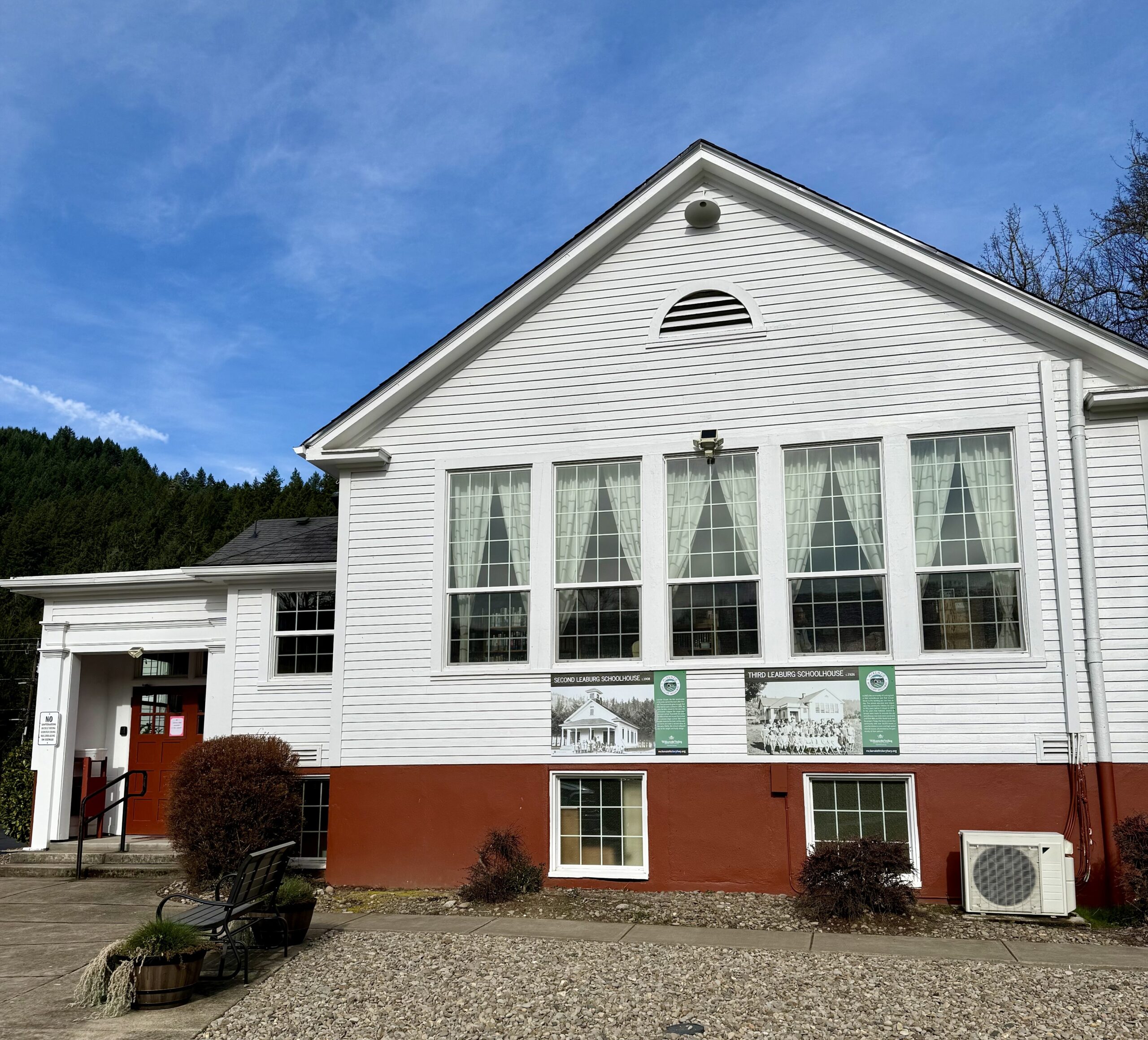
Tucked beside McKenzie Fire and Rescue in the small community of Leaburg sits a building with a long history. Built in 1923 as the local schoolhouse, the Leaburg Library has spent more than a century serving as a place of learning, gathering, and shared stories. Today, that tradition continues—most notably in one remarkable room that drew me there: the Angler’s Roost.

The library itself is made up of four main rooms, each with its own sense of purpose and history. But the Angler’s Roost feels different the moment you step inside. It is quiet, intentional, and reverent—less like a library room and more like a sanctuary for anglers.

The Roost exists thanks to the generosity and lifelong passion of Tom Ripp, a long-time McKenzie River Guides Association associate member. Over decades, Tom assembled a nearly 500-volume, world-class collection of fly-fishing literature—rare, collectible, and deeply significant to the sport. In 2022, he donated the entire collection to the Leaburg Library, where it officially opened to the public on Saturday, December 10th.

Additional volumes have been contributed by the McKenzie Flyfishers Club, and the collection is thoughtfully managed by Marty Mealey. Together, these efforts have shaped what is expected to become one of the finest fly-fishing book collections in the country.

Inside the Angler’s Roost, the details matter. A leather chair and ottoman invite visitors to sit and stay awhile. A reading lamp offers warm, focused light; a heater keeps the room comfortable through colder months. Two miniature model drift boats rest quietly, while a beautiful outdoor quilt hangs on the wall. A Lynda Edwards mural adds depth and artistry to the space, grounding the room in both place and time.

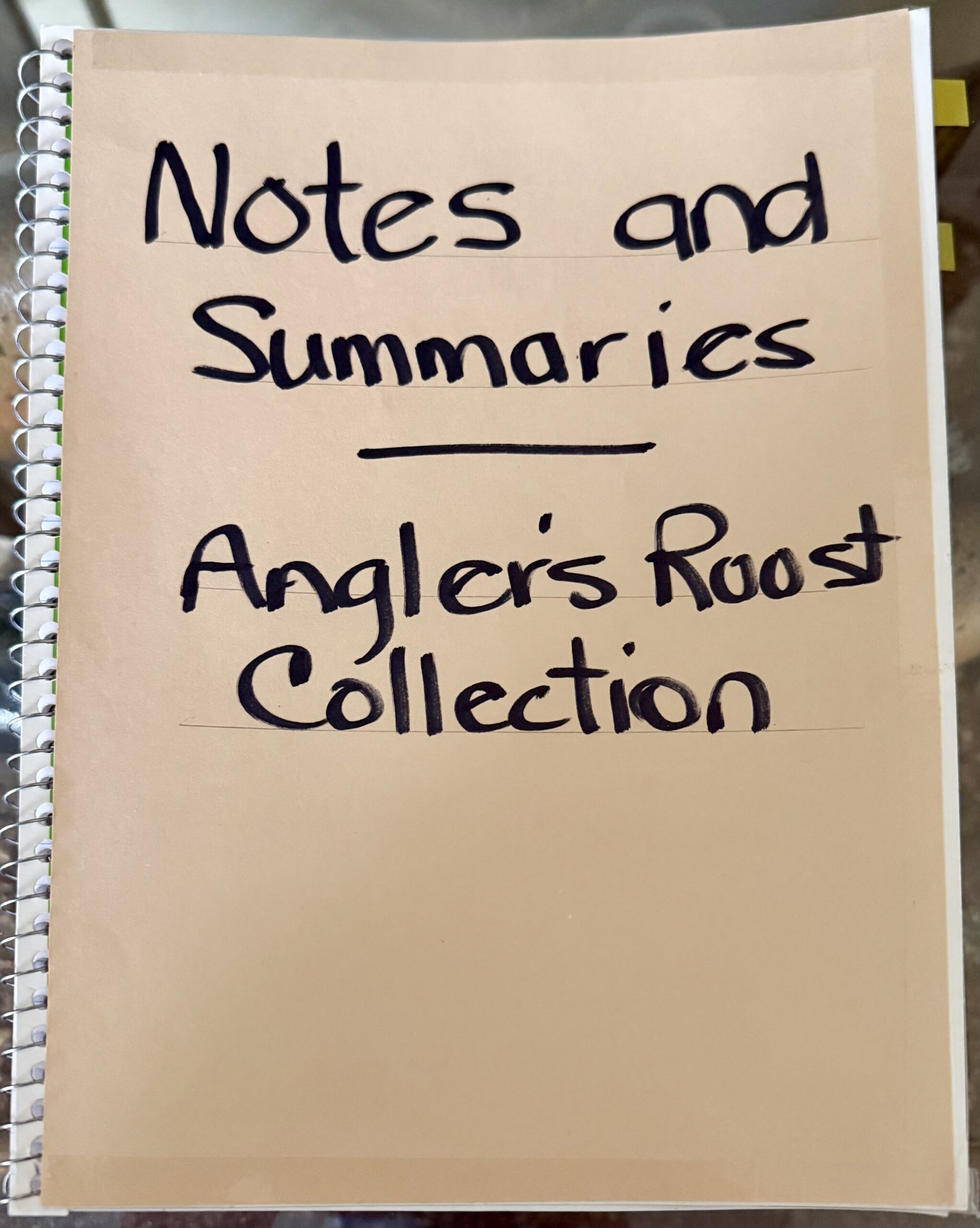
There’s also a notebook—simple but meaningful—where visitors can leave notes and summaries, sharing what they’ve learned or what moved them. It’s a subtle reminder that this collection isn’t just about preservation, but participation.

The books themselves span nearly every angling subject imaginable. From fishing basics and pocket guides to detailed identification manuals and entomology texts. From gear fishing to fly fishing, spey, float tubes, and saltwater. There are journals, fly pattern collections, fly tying manuals, rare and collectible editions, and oversized coffee table books celebrating drift boats and watersheds. Whether you’re just starting out or decades deep into the craft, there is something here that will stop you in your tracks.

Because of the rarity of the collection, access is intentionally careful. To enter the Roost, visitors sign in and have the room unlocked by library staff. Selected volumes may be checked out for a two-week period, following the same sign-in process—an honor system built on respect and accountability, just as Tom intended.

Visiting the Angler’s Roost felt less like stepping into a room and more like encountering a living archive, rooted in generosity, stewardship, and a shared passion for angling. In a former schoolhouse turned community library, this quiet corner continues the tradition of learning, now through the lens of rivers, flies, fish, and the stories we tell about them.

If you find yourself along the McKenzie, the Angler’s Roost is well worth the stop. Sit down. Open a book. Add a note. Let the room do what it was built to do.
McKenzie River Guides Host Successful Radio Auction

I’m excited to announce the successful return of the McKenzie River Guides Association’s radio auction, an event aimed at engaging a wider audience and showcasing the vital work our organization does in the community. As the largest organization represented on the Oregon State Marine Board and the oldest continually active guide organization in the country, we take pride in our legacy of promoting responsible recreation, safety, and conservation.

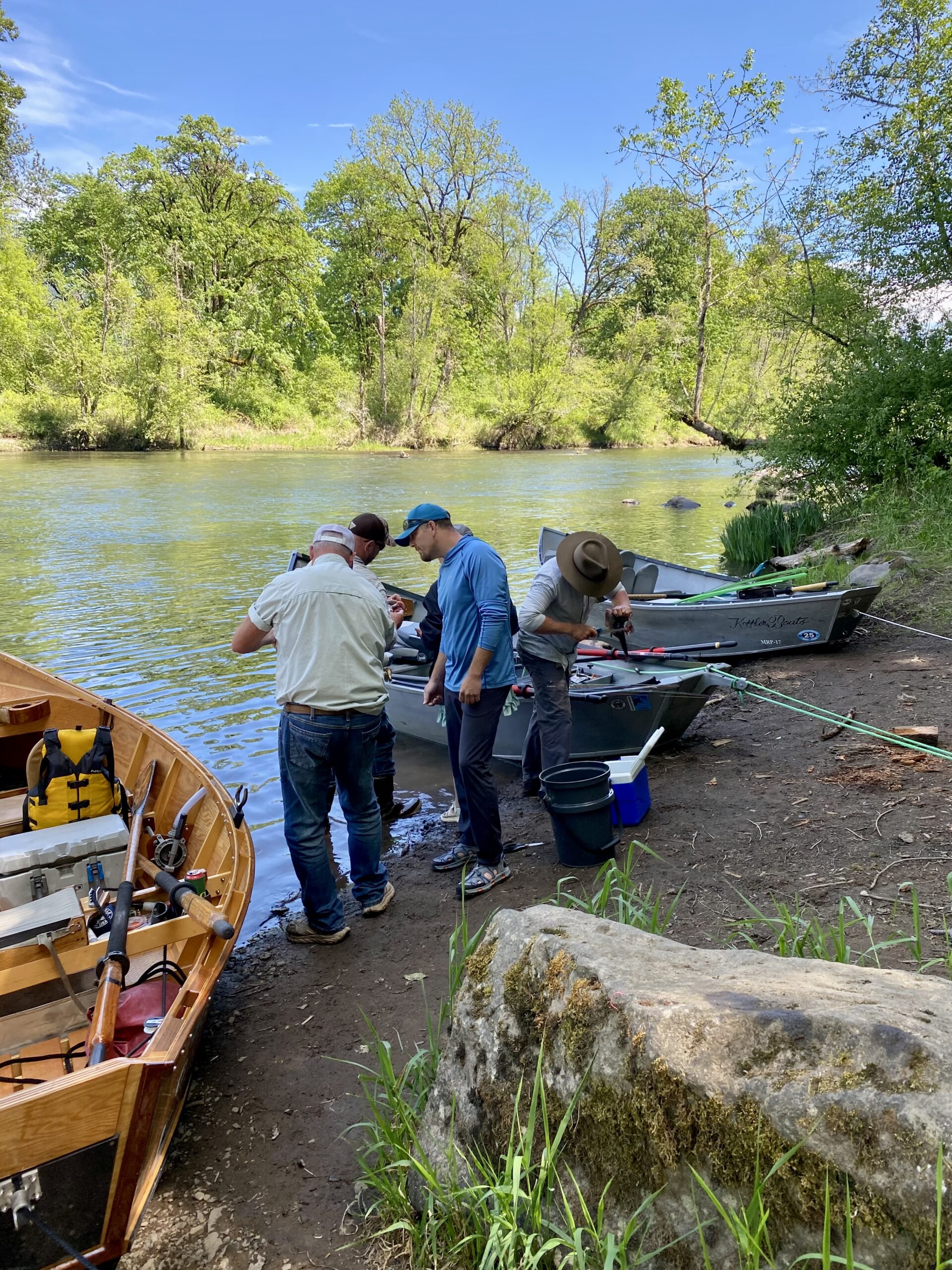
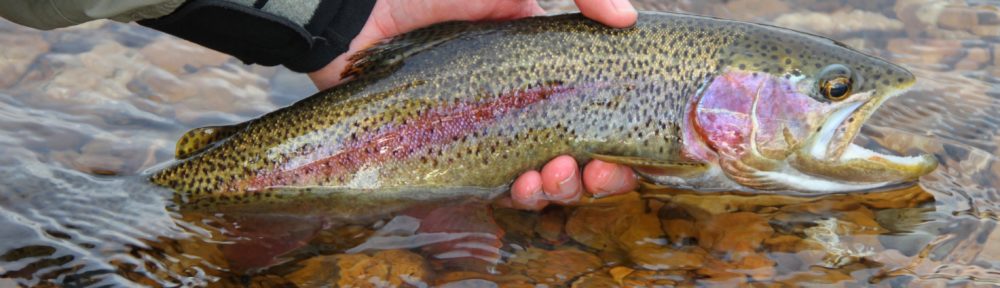
The auction, graciously hosted by Robb and Kori on 93.3, saw lively bidding via phone and Facebook, culminating in the auction of six drift boat fishing trips and one whitewater rafting trip. Today’s full-day fishing trip with four boats targeted rainbow trout and offered anglers the chance to catch summer steelhead, making for an exciting and memorable experience.

The day on the water was both productive and educational. Our guides, including Aaron Helfrich, Kyle Duke, Will Conable, and Jim Sens, shared their expertise while guiding guests through notable fishing water. After a successful morning, the guides held a fish cleaning demonstration, teaching guests how to prepare their catch for a fry. Billy Pruitt fried up the morning’s catch, with Leah and Jonnie Helfrich preparing and providing the rest of the meal. Guests had a chance to relax, enjoy their lunch, and learn a bit about camp cooking before heading back out to finish the day.

Overall, the radio auction was a tremendous success, helping us continue our work in promoting safe, sustainable, and enjoyable outdoor adventures on the McKenzie River while celebrating our guiding community’s tradition and dedication.

Quartz Creek Ecosystem Resilience Project

Looking upstream at mid-project, source mckenziewc.org

On April 3rd, 2025, I attended the Quartz Creek Ecosystem Resilience Project information session, which is set to occur from May through September 2025. This initiative is a collaborative effort involving the McKenzie Watershed Alliance (MWA), McKenzie River Trust (MRT), USDA Forest Service (USFS), and Eugene Water & Electric Board (EWEB). The project aims to restore 170 acres, or 1.8 miles, along the lower section of Quartz Creek, with the goal of returning the creek to its natural floodplain to provide habitat for microbes, insects, fish, birds, amphibians, reptiles, and megafauna. A key objective is to protect the historic habitats of species listed under the Endangered Species Act of 1973, including the our spring chinook run, bull trout, and lamprey.

Currently, Quartz Creek is a degraded stream, with areas “incised” or cut down as deep as 13 feet. This degradation has resulted in the loss of the creek’s smaller ecological systems, leading to “flashy hydrology” that makes Quartz Creek a significant contributor of sediment to the McKenzie River, our drinking water source. Additionally, the large cobbles and boulders present are not suitable for chinook salmon to create their redds for egg-laying.

Through a thoughtfully designed, research-backed plan, the project will cut alongside the existing creek bed to create new pathways for water flow while filling in the incisions to promote restoration. Large woody debris and slash will be carefully placed and partially buried or pinned to encourage habitat development and shade. Quartz Creek Road will also be raised above the 100-year floodplain in some areas by up to a foot. Moreover, the team will mechanically remove non-native invasive vegetation and rehabilitate the site upon completion. The valley restoration will raise the deep underground aquifer and alluvial aquifers (the water table), fostering a healthier ecosystem.

The community gathering addressed several concerns related to the project. First, attendees inquired about potential road closures during the project’s duration. The answer is no; aside from occasional brief stops on Quartz Creek Road or Pond Road to stage heavy equipment, access to the roads will remain unaffected.

Second, questions arose about the number of heavy equipment pieces on the 1.8-mile stretch and the measures in place to protect the environment during their operation. Project manager Jared Weybright clarified the specifics; however, I did not note the specific numbers as the equipment count shared did not seem alarming to me personally. To safeguard the environment, contractors must use biodegradable, vegetable-based lubricants, reducing the negative impact of any potential leaks. Additionally, each piece of equipment must be accompanied by a spill containment kit, and operators will receive training on its use. A comprehensive spill prevention, control, and countermeasure (SPCC) plan will outline the hazardous materials on-site and the procedures for managing them in case of a spill. Furthermore, all maintenance, repairs, and refueling will occur at designated fueling stations away from the active floodplain.

Third, in response to concerns about preserving the creek’s species during construction, the 1.8-mile area will be segmented with berms, and during active draining, team members will be deployed with nets to safely collect and relocate all living species downstream, ensuring their well-being.

Lastly, the importance of community outreach and involvement was discussed, as residents expressed the desire to stay informed about large-scale projects and emphasized the need to treat their surroundings with respect and care. I highly encourage concerned individuals and everyone to read the comprehensive online report for detailed project plans and supporting research. I was genuinely impressed by the team of presenters at the Leaburg Fire Station on April 3rd and look forward to witnessing the restoration of this vital area along the McKenzie River.

This project is estimated to cost $9.9 million, funded primarily by NOAA grant money, OWEB funds, and MRT contributions.